When Bathroom Moisture Problems May Need More Than a Quick Fix
Bathroom moisture damage can need remodeling when mold returns, musty odors remain, tiles loosen, floors soften, stains spread, or damage sits behind finished surfaces. HomeRemodelNorthbend.info checks the moisture source and damaged materials before recommending tile installation, structural repairs, or a full bathroom remodel.
Request an EstimateHow to Tell When Bathroom Moisture Needs More Than a Quick Fix
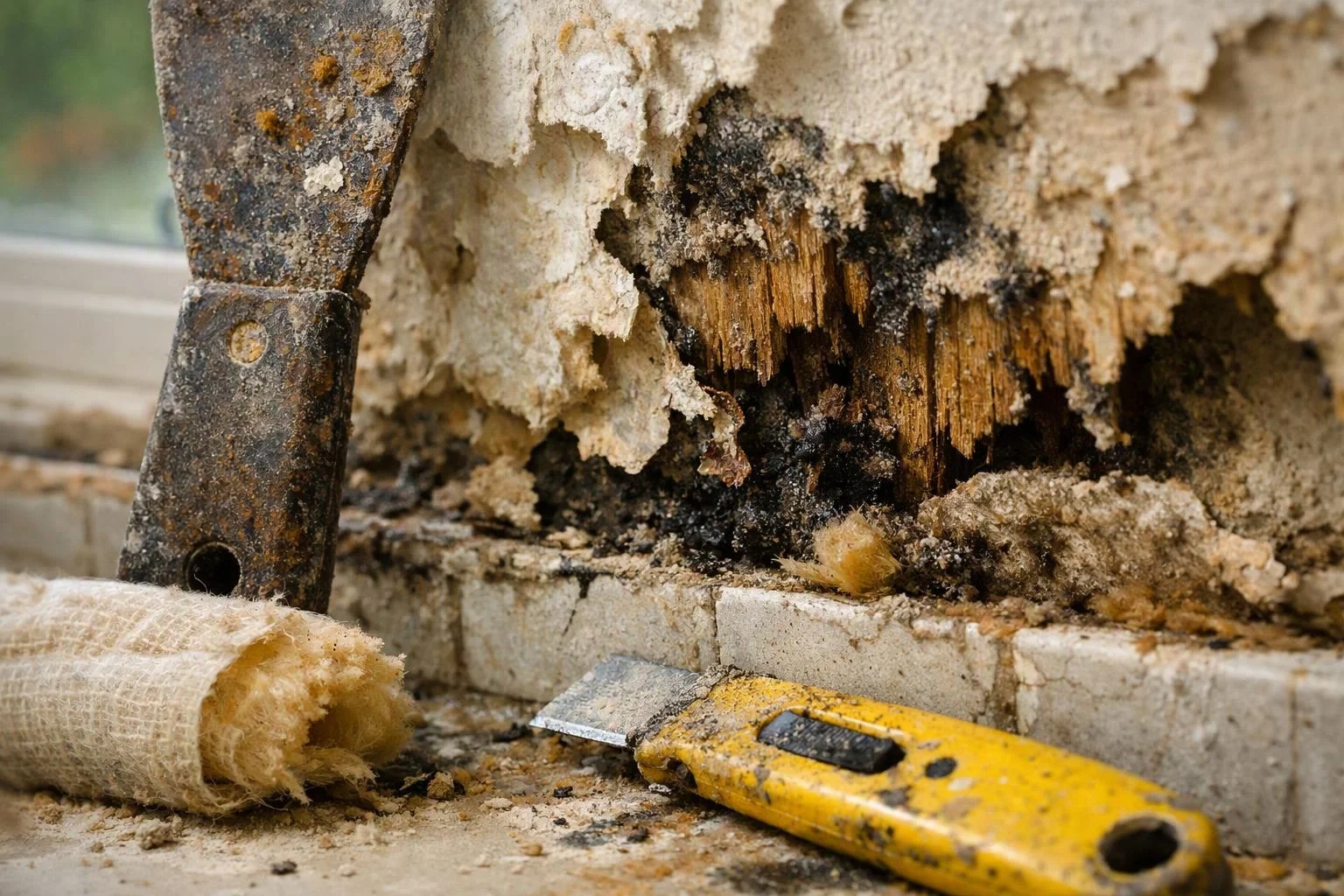
Bathroom moisture needs more than a quick fix when damage keeps returning or affects materials behind the visible surface.
Surface repairs can hide water damage without correcting the leak source. We inspect the finished area and the materials below it before planning bathroom remodeling.
Hidden damage may affect grout, drywall, trim, the subfloor, or the wall cavity. Our team matches the repair to the actual cause, so new finishes have a sound base.
For broader planning, our Bathroom remodeler service covers moisture repairs, wet-area rebuilding, and finish installation.
Signs Your Bathroom May Need Remodeling
A bathroom may need remodeling when several visible signs point to ongoing moisture or damage behind the finish.
One sign may have a simple cause, but repeated signs deserve a closer review. The table connects each warning sign with the hidden problem it may indicate and the repair decision we make.
| Visible sign | What it may indicate | Likely remodeling response |
|---|---|---|
| Recurring mold | An ongoing moisture source or damp wall cavity | Source correction, material removal, and wet-area rebuilding |
| Musty smell | Trapped moisture beneath or behind finished surfaces | Moisture inspection and replacement of affected materials |
| Loose shower tiles | Tile movement, failed setting material, or waterproofing failure | Tile removal, waterproofing review, and tile installation |
| Soft bathroom flooring | Subfloor damage or water intrusion | Affected flooring removal and structural repairs |
| Water stains | A plumbing leak or moisture moving through a ceiling or wall | Leak-source correction and damaged surface replacement |
| Swollen materials | Repeated water exposure | Replacement of trim, drywall, flooring, or other damaged materials |
| Cracked grout | Movement, failed joints, or moisture reaching the tile assembly | Assembly inspection and targeted tile repair or replacement |
| Poor bathroom ventilation | Humidity that remains after bathing | Ventilation review and moisture-control planning |
Mistake: Treating Recurring Mold as a Surface Cleaning Problem
Recurring mold usually means the bathroom still has a moisture source that cleaning hasn't addressed.
Bathroom mold can return when damp air, a plumbing leak, or a wet wall cavity remains. We trace the moisture source and check nearby materials before recommending bathroom remodeling.
The cost depends on whether affected materials can stay and how much access the repair needs. Our fix may include ventilation work, removal of damaged materials, waterproofing, and new finishes.
Mistake: Ignoring a Musty Smell After Cleaning
A musty smell after cleaning often means trapped moisture remains below flooring or inside wall materials.
The odor may come from a damp subfloor, wall material, or hidden mold growth. We inspect the area around the smell and look for signs of water intrusion.
The repair cost depends on the location and extent of damaged materials. We remove affected sections when needed, correct the source, and rebuild the area with suitable materials.
Mistake: Assuming Cracked or Loose Shower Tiles Are Only Cosmetic
Cracked or loose shower tiles can mean water is reaching areas behind the visible tile.
A loose tile may result from movement, failed grout, weak bonding, or a damaged waterproofing membrane. We check the tile assembly before planning tile installation.
The cost depends on whether the issue is limited to a tile or affects the shower enclosure. Our fix can include tile removal, membrane repair, substrate work, and replacement tile installation.
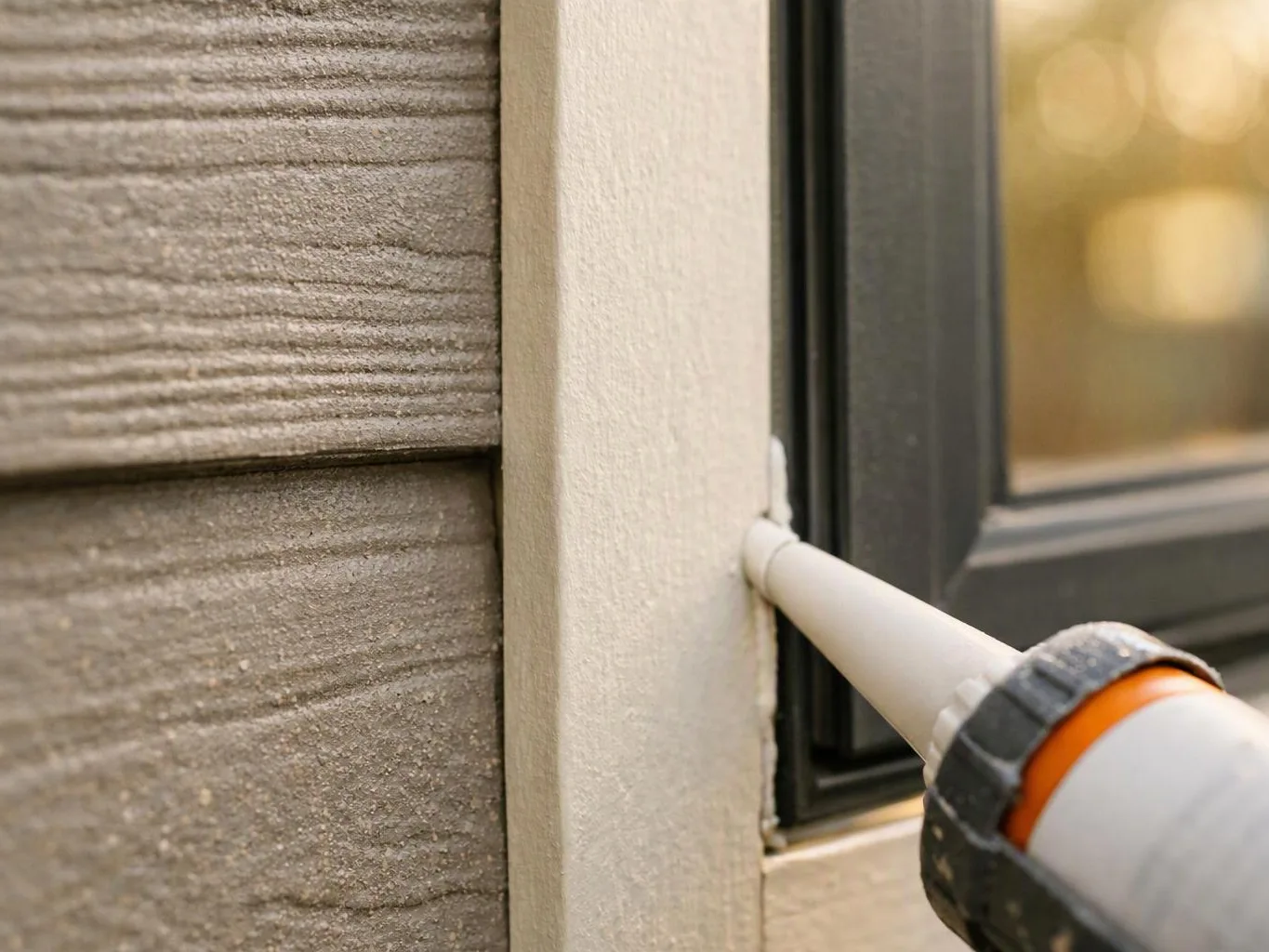
Mistake: Repeatedly Re-Caulking the Same Bathroom Leak
Repeatedly re-caulking the same bathroom leak usually treats a failed joint without correcting the underlying water path.
Bathroom caulk can fail when surfaces move, stay damp, or meet at a joint that needs a different repair. We inspect the shower leak, failed joint, nearby tile, and waterproofing.
The cost depends on access and the damage behind the joint. We remove failed materials, correct the leak source, and complete tile repair or wet-area rebuilding when needed.
Mistake: Walking Past Soft Bathroom Flooring
Soft bathroom flooring can signal subfloor damage caused by water intrusion.
Movement underfoot may mean water has weakened the subfloor or reached nearby structural areas. We inspect the floor, surrounding trim, and plumbing locations before covering the surface.
The cost depends on the damaged area, access, and need for structural repairs. Our fix may include removing floor tile, replacing damaged subfloor, correcting the leak, and installing a stable finish.
Mistake: Painting Over Water Stains Without Finding the Source
Painting over water stains can hide ceiling damage or wall damage while the plumbing leak continues.
Stains can spread when water travels through framing or finishes. We perform a moisture inspection and trace the likely leak source before repairing the surface.
The cost depends on the source, affected materials, and access for repair. We correct the plumbing issue, replace damaged drywall when needed, and prepare the surface for a lasting finish.
Mistake: Covering Swollen Trim or Damaged Drywall
Swollen trim and damaged drywall show that water exposure has changed the material.
Paint and filler won't restore materials that have absorbed water or lost their shape. We check the bathroom wall, adjoining surfaces, and the source of the exposure.
The cost depends on which replacement materials are needed and whether hidden damage is present. Our fix includes source correction and replacement of materials that cannot be restored.
Mistake: Replacing Fixtures Without Checking Behind Them
Replacing a toilet, vanity, or shower fixture without checking behind it can leave hidden moisture in place.
Plumbing connections can leak inside cabinets, below toilets, or around shower fixtures. We inspect the connection areas and nearby flooring before setting new fixtures.
The cost depends on the fixture location, access, and damage found behind it. We repair the source, replace affected materials, and install the fixture on a sound surface.
Mistake: Choosing New Finishes Before Repairing Moisture Damage
Choosing new bathroom finishes before repairing moisture damage can place attractive materials over an unstable base.
Tile installation depends on sound surfaces, proper waterproofing, and a stable subfloor. We resolve moisture issues and complete structural repairs before installing the final finishes.
The cost depends on the damage extent, material replacement, and finish choices. Our remodeling plan separates hidden repairs from visible improvements, so the scope is clear.
What Our Bathroom Moisture Assessment Checks
Our team checks the moisture source, visible finishes, and underlying materials before planning bathroom remodeling work.
We look for active or repeated water paths, then connect the findings to the repair scope. We also consider code and inspection needs when plumbing, ventilation, or structural areas change.
When to Call HomeRemodelNorthbend.info Instead of Handling It Yourself
Call HomeRemodelNorthbend.info when bathroom moisture affects hidden materials, flooring, structural areas, or repeated repairs.
You can note stains, odors, loose tiles, and soft spots without opening walls or disturbing plumbing. Our team handles the inspection and repair planning when the source or damage isn't clear.
How Remodeling Fixes the Moisture Problem
Bathroom remodeling fixes moisture damage by removing affected materials, correcting the source, and rebuilding the wet area with suitable finishes.
We start with the leak or humidity problem, then remove materials that cannot support the new work. Our crew repairs the substrate, restores waterproofing, and completes tile installation or drywall replacement as the scope requires.
Structural repairs come before cosmetic work because finishes depend on stable backing. We also review plumbing and ventilation changes for applicable code and inspection requirements.
What Changes the Cost of Moisture-Related Bathroom Remodeling
The cost of moisture-related bathroom remodeling depends on the damaged area, material replacement, access, tile scope, and structural repair needs.
A small finish repair has a different scope from a wet-area rebuild with subfloor or wall damage. We review the moisture source, affected materials, plumbing access, waterproofing, and finish selections before preparing a quote.
Our quote explains the work included, the materials being replaced, and the repairs needed before final finishes. Contact HomeRemodelNorthbend.info to request an exact quote for your bathroom.
Questions About Bathroom Moisture Remodeling
Can bathroom mold keep coming back after cleaning?
Yes, bathroom mold can return when moisture remains behind surfaces or ventilation doesn't control humidity. HomeRemodelNorthbend.info checks the moisture source and affected materials before recommending the needed repair.
Do loose shower tiles always mean there is water damage?
No, loose shower tiles don't always prove water damage, but they need an assembly check. Movement, failed bonding, cracked grout, or waterproofing problems can all contribute, so we inspect behind the visible tile before planning repairs.
Can a soft bathroom floor be repaired without remodeling?
Sometimes, a soft bathroom floor can receive a targeted repair when damage is limited and the moisture source is corrected. We inspect the subfloor and surrounding materials first, because widespread damage may require broader bathroom remodeling.
What should be checked before replacing bathroom tile?
Before replacing bathroom tile, we check the moisture source, tile assembly, waterproofing, substrate, and subfloor. Those checks show whether new tile can be installed safely or whether hidden repairs must come first.
Bathroom moisture damage is easier to address when the source and hidden materials are checked together. Contact HomeRemodelNorthbend.info for a remodeling assessment and a clear repair scope.
Request a Bathroom Remodeling Assessment