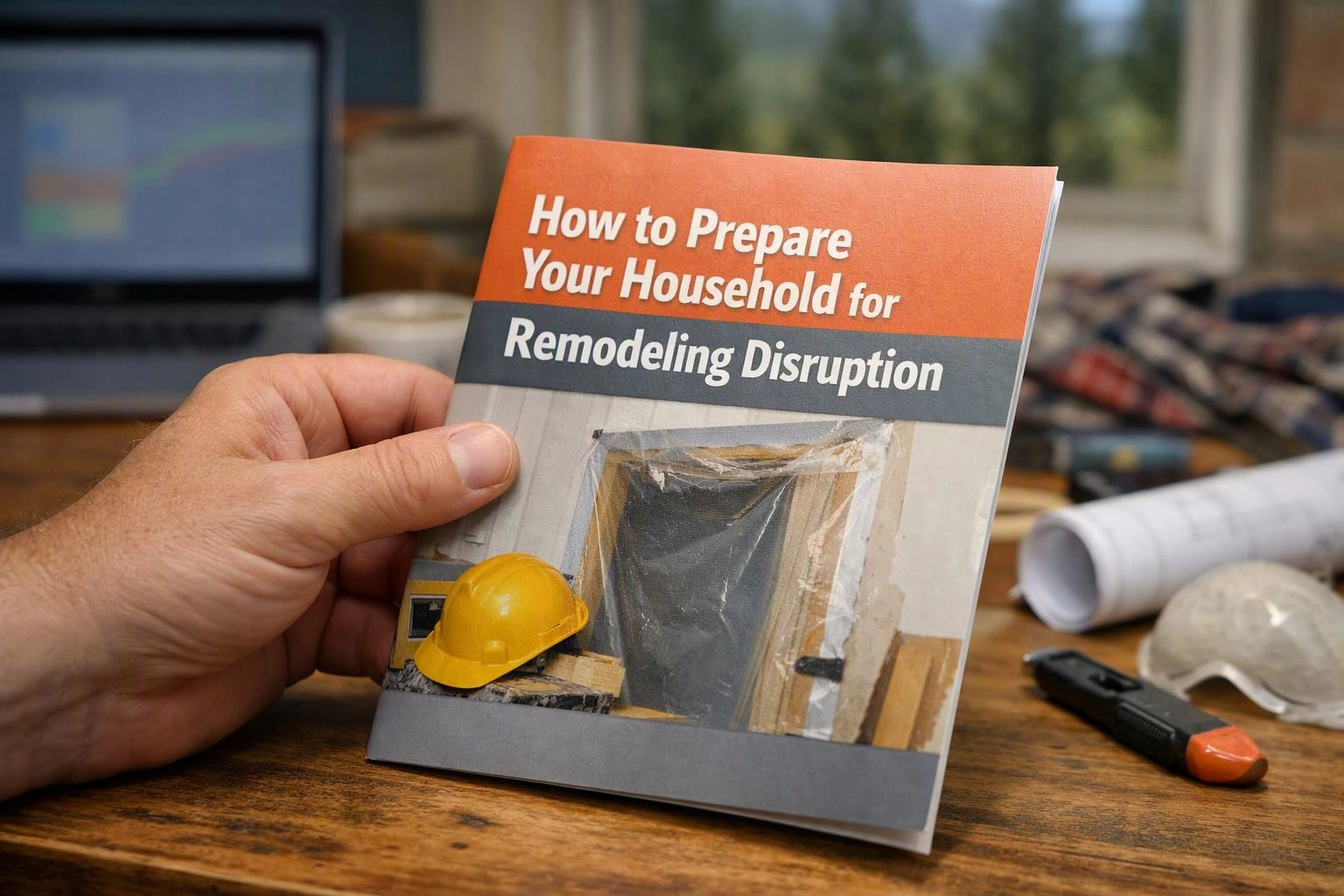
How to Prepare Your Household for Remodeling Disruption
To live at home during a remodel, set up a clean living zone, move fragile items, plan food and bathroom access, protect children and pets, and agree on daily work rules. HomeRemodelNorthbend.info helps households plan these details before demolition and adjust them as work progresses.
Request an EstimateStart With a Household Disruption Plan
Household remodeling disruption preparation reduces the impact of living at home during a remodel. A household disruption plan shows how people will use the home while remodeling work changes access, noise, dust, and daily routines.
Start by marking the work zones, clean living zones, and access routes. We then review the household routine with you, including meals, sleep, work, laundry, and school schedules.
A clear communication plan keeps everyone informed. Our team can discuss daily site access, blocked pathways, utility changes, material deliveries, and questions before work begins.
Prepare the Home Before Demolition Begins
Demolition preparation starts with moving belongings, clearing access paths, protecting nearby rooms, and confirming utility changes. HomeRemodelNorthbend.info helps households connect these steps to the project plan before work starts.
Mistake: Leaving Belongings in the Work Area
Leaving furniture and fragile items in the work area increases dust exposure and damage risk. The mistake often happens when people underestimate how far demolition dust can travel.
The cost can include extra cleaning, damaged belongings, and delays caused by moving items later. We identify what must leave the area and help keep protected storage separate from site access.
Mistake: Keeping Every Room Open During Construction
Keeping every room open makes dust control and safe movement harder. Air movement can carry fine dust beyond the main work zone.
The cost is a dirtier home and more work for the household. We plan temporary barriers and help establish a clean living zone with a controlled access route.
Mistake: Starting Without a Daily Access Plan
A daily access plan explains the entry route, work hours, blocked pathways, and site access rules. Without one, the household schedule can conflict with construction activity.
The cost may include missed work, unsafe crossings, and delays. Our team reviews daily site access so household members know where they can walk and when.
Mistake: Treating the Kitchen as Fully Available
A kitchen Information available on request may not support normal meal preparation, food storage, refrigerator access, or dishwashing. Many households discover this after counters, sinks, or appliances become unavailable.
The cost is added stress and unplanned meal spending. We help you plan a temporary kitchen with safe locations for food, small appliances, dishes, and cleanup.
Mistake: Waiting to Plan for Bathroom Downtime
Bathroom remodeling can affect toilet access, shower access, and water use. Water shutoffs can also change the household schedule.
The cost is inconvenience and possible work delays when access needs aren't discussed early. We map bathroom access and explain when household routines must change.
Mistake: Ignoring Children and Pets Around the Work Zone
Children and pets can reach construction debris, tools, or open pathways quickly. Normal curiosity can create a serious site safety concern.
The cost can include damaged materials, injuries, or work interruptions. We help set temporary barriers and safe routes, while you keep children and pets away from active work.
Mistake: Skipping Dust, Noise, and Air Planning
Construction dust and noise can affect sleep, work, comfort, and respiratory sensitivity. Heating and cooling systems may also move air through connected rooms.
The cost is poor comfort and more frequent cleaning. We discuss dust barriers, ventilation, air movement, and a cleaning routine that fits the work zone.
Mistake: Assuming the Original Plan Covers Every Disruption
Change in scope, material deliveries, and site conditions can alter the household schedule. The original plan may not cover every access or utility change.
The cost can include confusion, rework, and avoidable delays. We use contractor communication to explain schedule changes and update household logistics as conditions change.
Set Up a Temporary Living Routine
A temporary living area keeps meals, sleep, work, laundry, and cleaning workable while normal rooms are unavailable. Choose the area before construction begins, then keep daily essentials close to it.
Our team can review this routine during the project. We adjust access planning when the work zone or schedule changes.
Plan Kitchen, Bathroom, and Whole-Home Disruptions
Kitchen, bathroom, basement, and whole-home projects create different access and routine problems, so each needs a specific household plan. Commercial remodeling also requires clear separation between business operations and active construction areas.
| Project type | Main household concern | Planning focus |
|---|---|---|
| Kitchen remodeling | Meal preparation and food storage | Temporary kitchen, refrigerator access, and dishwashing |
| Bathroom remodeling | Toilet, shower, and water access | Bathroom access and utility shutoffs |
| Basement remodeling | Storage, stairs, and air movement | Protected storage and safe routes |
| Whole-home remodeling | Multiple work zones and changing access | Room-by-room living zones and communication |
| Commercial remodeling | Business operations and site safety | Staff access, customer routes, and delivery planning |
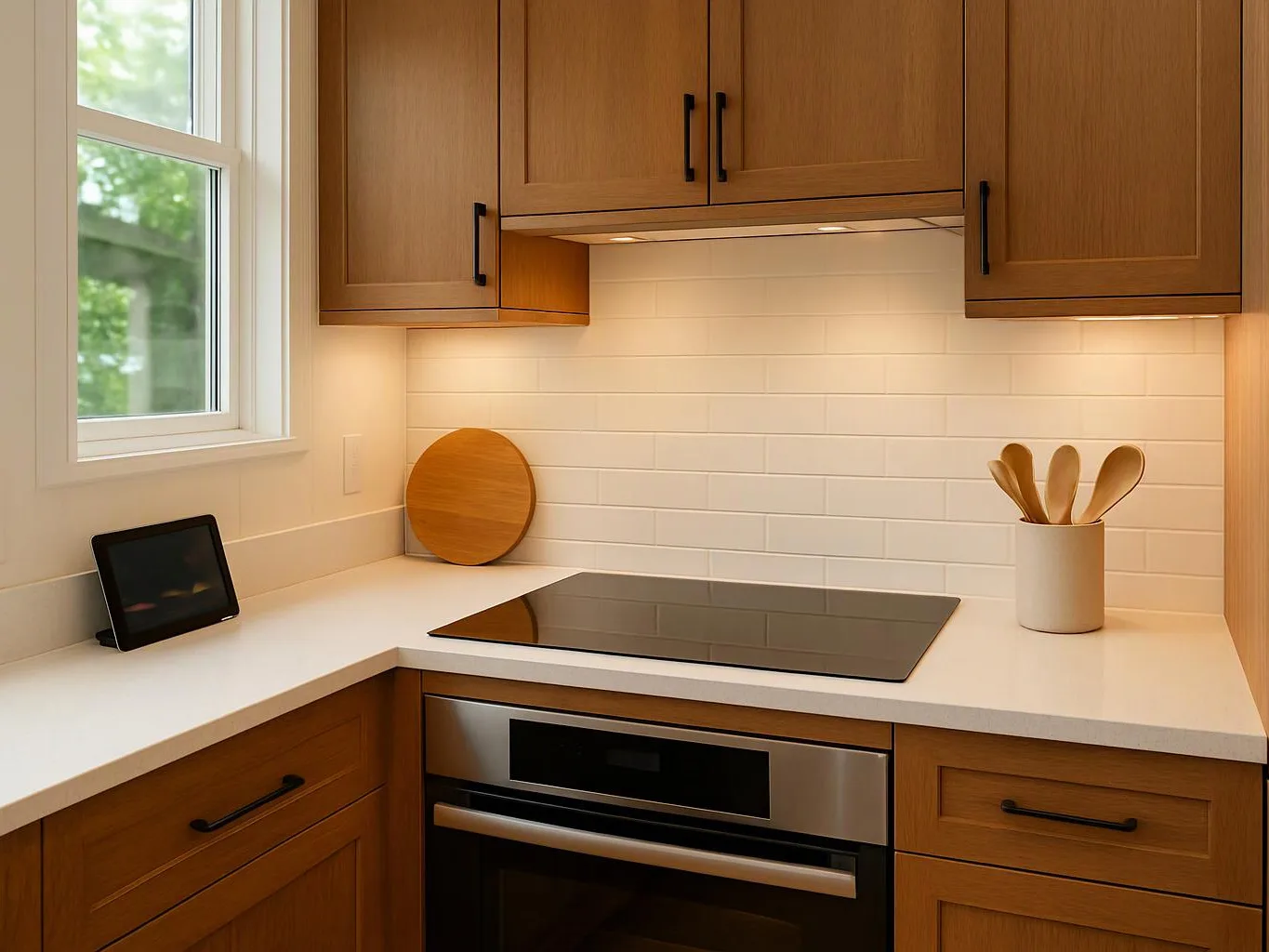
For a kitchen project, our Kitchen Remodeling team helps connect the temporary kitchen to the work schedule. We also review how meals, cleaning, and refrigerator access will work each day.
Agree on Household Logistics Before Work Starts
Contractor communication should cover access, work areas, utility changes, deliveries, cleaning, and daily updates. Discuss these household logistics with HomeRemodelNorthbend.info before work begins.
Ask where the crew will enter, where materials will arrive, and where vehicles can park. Confirm how utility shutoffs will be shared with the household.
Agree on how questions and decisions will be handled. We explain changes that affect the schedule, site access, or safe living zone.
When to Call HomeRemodelNorthbend.info for Remodeling Help
Call HomeRemodelNorthbend.info when the project involves demolition, structural work, regulated utilities, or disruption planning beyond your safe abilities. We review the work zone, access needs, and site safety before work begins.
Warning signs include exposed wiring, damaged pipes, unstable materials, uncontrolled dust, and blocked emergency routes. Stop work in an unsafe area and contact our team for a proper review.
Review the Plan Before You Move Back In
Household handoff should happen after final cleanup, safe access checks, and a review of completed work. Review utilities, room access, and remaining work before returning normal routines to the remodeled space.
Our crew walks through the area with you and identifies any remaining work or restricted access. We also explain cleaning needs and any changes that affect household use.
When you're ready to plan a safer remodeling disruption, contact HomeRemodelNorthbend.info through our contact page. We'll discuss the project, household logistics, and the next practical step.