Basement Moisture Warning Signs to Check Before Remodeling
Basement moisture problems often show through musty odors, stains, efflorescence, cracks, peeling finishes, mold, or damp flooring. HomeRemodelNorthbend.info checks these warning signs before remodeling so repairs address the source before new finishes cover the damage.
Request an Estimate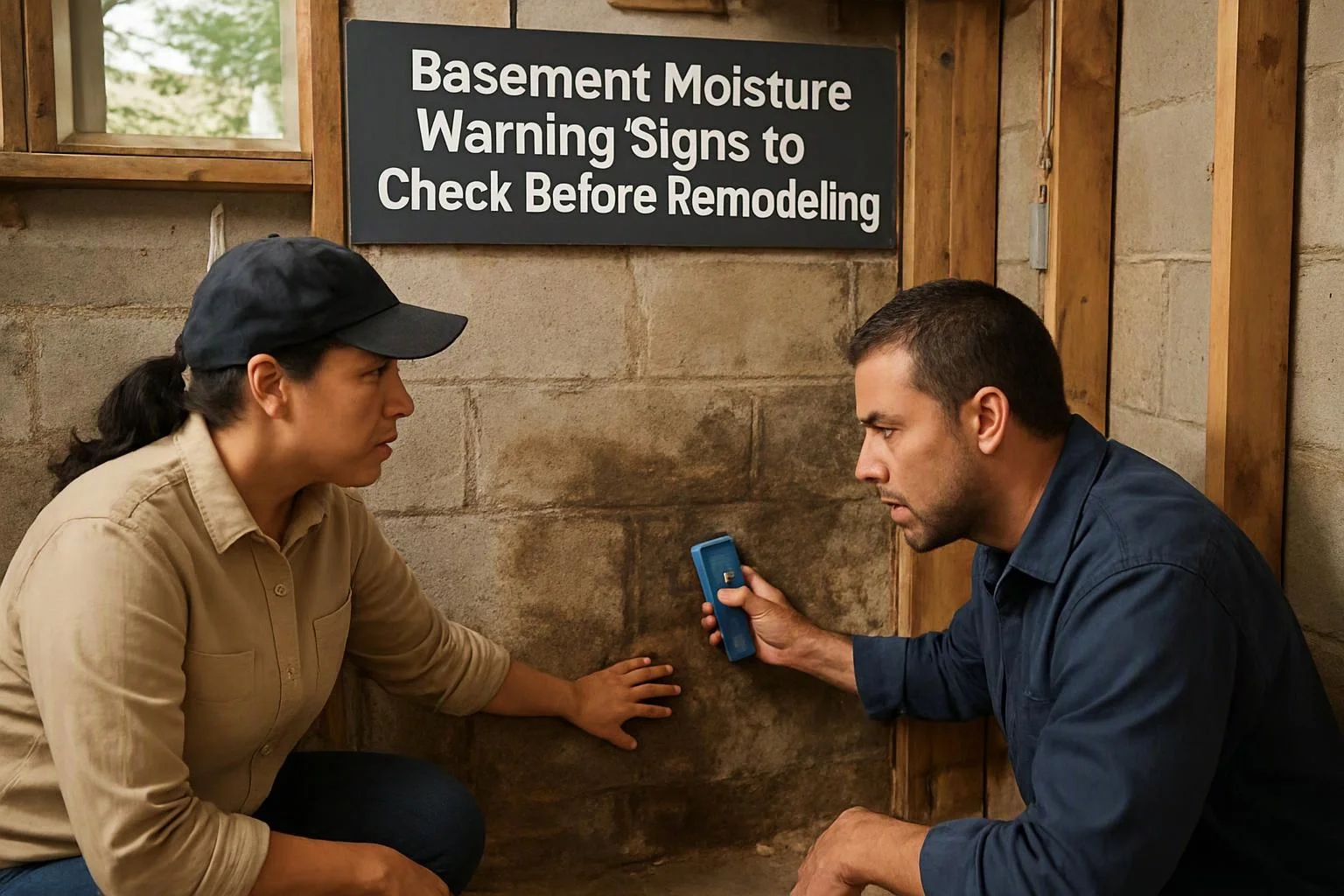
Why Moisture Checks Come Before Basement Remodeling
Basement remodeling should begin with a moisture check because water intrusion can damage new finishes. Hidden moisture can also support mold, wood rot, and poor indoor air quality.
We inspect the foundation wall, floor system, and finished surfaces before planning the work. When we find moisture damage, our team identifies whether waterproofing, foundation repair, or structural repairs belong in the scope.
Our Basement Remodeling process accounts for repair needs before walls, flooring, or insulation cover them.
Use This Basement Moisture Warning Sign Checklist
Basement moisture warning signs can appear on surfaces, in the air, or under finishes. The checklist below connects each sign with its likely concern and the repair decision we make.
| Warning sign | What it may indicate | Remodeling response |
|---|---|---|
| Musty odor | Hidden moisture, mold, or water leaks | Trace the moisture source before enclosing surfaces |
| Wall stains | Past or active water entry | Check the wall and nearby framing |
| Efflorescence | Moisture moving through masonry or concrete | Find and correct the moisture path |
| Foundation cracks | Possible water entry or structural movement | Review the crack before finish work |
| Peeling paint | Damp walls or vapor movement | Remove damaged finishes and address dampness |
| Mold growth | A moisture source and possible humidity issue | Plan source control and remediation |
| Damp flooring | Water damage below the surface | Inspect the floor slab and subfloor |
| Wood rot | Ongoing dampness in framing or trim | Remove affected material and repair the source |
Musty Odors Can Point to Hidden Moisture
A musty smell can mean hidden moisture, mold, or water leaks behind finishes. The odor may remain even when visible water has dried.
We check nearby walls, flooring, and air movement to locate the moisture source. We also consider humidity and air quality before choosing materials.
Wall and Ceiling Stains Show Past or Active Water Entry
Water stains on basement walls or ceilings show that water entered the area at some point. A stain can come from an old leak or an active leak.
We trace the area around stains and check for damaged drywall, framing, or insulation. Our repair scope addresses water intrusion before finish damage spreads.
White Powder on Masonry Walls Is Efflorescence
Efflorescence is a salt deposit left when moisture moves through masonry or concrete. White powder on a basement wall often signals moisture movement through the material.
We inspect the surrounding foundation wall and floor conditions. We then plan waterproofing or related repairs based on the moisture path.
Foundation Cracks Need a Closer Moisture and Structure Check
Foundation cracks can allow water entry and may also reflect structural movement. Their location, pattern, and surrounding dampness guide the next decision.
We review concrete cracks before remodeling begins. If the condition calls for foundation repair or structural repairs, we include that work in the repair scope.
Peeling Paint and Bubbling Finishes Can Hide Damp Walls
Peeling paint and bubbling paint often show that damp walls are pushing moisture through the finish. Vapor movement can weaken coatings and drywall.
We identify the affected area and remove finish damage as needed. We don't install new wall finishes until the wall is ready for them.
Mold Growth Signals a Moisture Source That Needs Attention
Mold and mildew signal that moisture is present or has remained trapped. Poor humidity control can make the condition return.
We look for the moisture source before planning remediation. We also account for damaged materials and ventilation needs in the remodeling plan.
Damp or Spongy Flooring Can Mean Water Damage Below
Damp flooring or spongy flooring can mean water damage below the visible surface. The problem may involve the floor slab, subfloor, or finish material.
We inspect the floor system before selecting replacement materials. When needed, our demolition services expose the damaged area so repairs address the cause.
Rotting Wood and Rusted Metal Reveal Ongoing Dampness
Wood rot and rust can reveal ongoing dampness around framing, fasteners, or other metal parts. These signs deserve attention before walls hide them.
We check affected framing and metal corrosion during the pre-remodel inspection. Our crew plans material replacement and moisture control together.
What Each Moisture Sign Means for Remodeling Costs
Basement remodeling costs change with the moisture source, damaged materials, demolition needs, structural work, and finish repairs. We identify those conditions before preparing a project quote.
Cost drivers can include demolition services, drywall replacement, floor replacement, foundation repair, and structural repairs. Our quote reflects the repair scope and the finish work that follows.
We explain which work is needed and why. You can request an exact quote through our contact page.
Should You Finish a Basement Before Fixing Moisture Problems?
No, basement finishing should wait until moisture problems are identified and corrected. New flooring, walls, and insulation can hide damage and make later repairs more disruptive.
We verify the moisture source, complete needed waterproofing or foundation repair, and review the affected materials. This approach supports mold prevention and protects the new finish system.
How We Check a Basement Before Remodeling
Our pre-remodel inspection connects visible signs with the moisture source and the repair scope. We use the findings to plan safe demolition and finish work.
We also review structural concerns and conditions that may require code or inspection coordination. Regulated structural, plumbing, or electrical work is handled through the proper licensed process.
When to Call HomeRemodelNorthbend.info Before Doing More Yourself
Call HomeRemodelNorthbend.info when a basement sign may involve hidden damage or structural risk. Our crew can define the next safe step before demolition or remodeling continues.
Plan the Remodel After the Basement Is Dry and Sound
Basement remodeling should begin after repair verification confirms that the space is dry and sound. We review the repaired areas before installing finish materials.
Our team coordinates foundation repair, demolition services, and finish installation around the approved repair scope. That sequence helps prevent new walls and floors from covering unresolved water damage.
HomeRemodelNorthbend.info can help you plan the next step after the moisture warning signs are reviewed. Request an assessment through our contact page.
Questions About Basement Moisture Warning Signs
Can a basement smell musty without visible water?
Yes, a basement can smell musty without visible water because hidden moisture may sit behind walls, under flooring, or inside materials. HomeRemodelNorthbend.info checks the surrounding surfaces and air conditions to trace the source.
What is the difference between condensation and a basement leak?
Condensation forms when humid air meets a cool surface, while a basement leak brings water through a crack, joint, wall, floor, or plumbing path. We inspect the pattern and location to identify the moisture source.
Can basement moisture damage insulation behind finished walls?
Yes, basement moisture can damage insulation and nearby drywall behind finished walls. We assess accessible areas and plan careful removal when hidden damage may affect the remodel.
What should happen after a basement moisture source is repaired?
After a basement moisture source is repaired, the affected area should be checked for remaining dampness, material damage, and mold risk. We verify the repair conditions, define any needed replacement, and then plan the new finishes.
Basement moisture warning signs should be reviewed before new finishes cover the space. HomeRemodelNorthbend.info can help identify the repair scope and plan the remodel.
Request the next step through our contact page.